Happymonday: The Elegant Script Font for Modern Creatives
Finding the right typeface for a project often feels like searching for a missing piece of a puzzle. You have the colors, the layout, and the message, but the text needs a voice. For designers, entrepreneurs, and content creators, the choice of typography defines the entire mood of the work. This is where the Happymonday font enters the conversation. It is not just another script; it is a carefully crafted tool designed to add a specific kind of warmth and sophistication to your creative assets.
Understanding the Visual Language of Happymonday
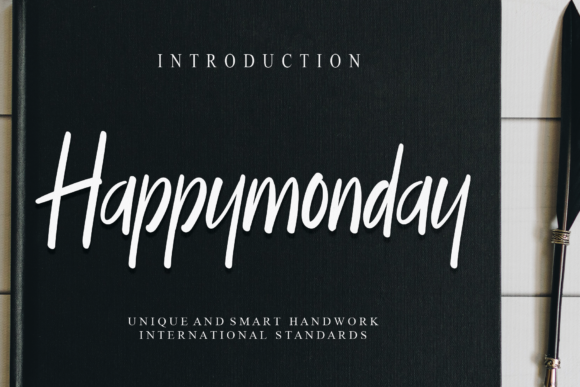
At its core, Happymonday is a magical script font that balances fluid motion with structured elegance. When you look at the letterforms, you notice the delicate curves and the natural flow of a handwritten font, yet it retains a level of precision that makes it a premium font suitable for professional use. It avoids the chaotic look of some rough scripts, offering instead a clean, polished aesthetic. The design features subtle variations in stroke weight that mimic the pressure of a pen on paper, giving it an authentic, human touch that digital typefaces often lack.
The personality of this typeface is approachable yet refined. It feels like a modern take on classic calligraphy. This makes it a versatile creative font because it does not lean too heavily into a specific era or trend. Whether you are working on a brand identity for a boutique business or creating social media graphics for a lifestyle blog, the visual tone of Happymonday adapts to the context. It carries a sense of positivity and creativity, living up to its name by bringing a bit of brightness to the design.
Practical Applications for Designers and Entrepreneurs
The true test of any display font is how well it performs in real-world scenarios. Happymonday shines when used for projects that require a personal connection with the audience. It is an excellent choice for logo design, particularly for brands in the fashion, beauty, wedding, or food industries. The elegance of the script suggests quality and care, which helps in building trust with potential customers.
For those in editorial design and packaging design, this font serves as a powerful tool for creating hierarchy. Imagine a magazine cover or a product label; using Happymonday for the main headline draws the eye immediately, while pairing it with a clean sans serif font for the body copy ensures the information remains readable. This contrast is a fundamental principle of modern typography, and Happymonday facilitates it naturally.
Here are a few specific areas where this typeface excels:
- Instagram and Social Media: As fonts for Instagram go, Happymonday is ideal for quotes, story highlights, and promotional posts. It stands out in a crowded feed without being difficult to read on mobile screens.
- DIY and Craft Projects: If you enjoy creating invitations, greeting cards, or wall art, this calligraphy script provides the charm of hand-lettering without the steep learning curve. It turns a simple craft project into something that looks professionally designed.
- Web Design: While script fonts should be used sparingly on websites due to readability, Happymonday works beautifully for hero sections, pull quotes, or distinct headers that need to convey personality.
The Impact on Brand Perception and Engagement
Typography is a silent ambassador for your brand. The fonts you choose influence how people perceive your business before they even read the words. Using a script like Happymonday signals creativity and attention to detail. It tells your audience that you value aesthetics and are willing to put effort into the presentation of your brand.
When it comes to visual hierarchy, Happymonday helps guide the viewer's eye. By using it for key phrases or calls to action, you create a focal point that encourages engagement. However, it is important to consider readability. Because it is a script font, it is best suited for shorter text blocks—headlines, logos, and accent words. Using it for long paragraphs would strain the reader's eyes and diminish the user experience.
Integrating Happymonday into Your Workflow
Adopting a new typeface requires a bit of strategy. If you are considering Happymonday for your next project, start by evaluating the existing design assets you use. Does your current style lean modern and minimal, or is it more traditional? Happymonday bridges these worlds well, but it pairs best with neutral typefaces.
A practical tip for font pairing is to match the x-height and style. For example, combining Happymonday with a geometric sans serif font creates a pleasing contrast between the organic curves of the script and the rigid structure of the geometric shapes. Alternatively, pairing it with a classic serif font can create a sophisticated, editorial look suitable for high-end branding.
Before finalizing your design, always test the font in context. View it at the size it will be displayed, whether on a business card or a billboard. Check the spacing (kerning) between letters, as script fonts sometimes require manual adjustment to ensure connections look natural. Since Happymonday is designed as a commercial font, ensure you have the correct license for your specific use case, whether it is for a single client project or a mass-produced product.
Ultimately, Happymonday is more than just a typeface; it is a creative partner. It offers the flexibility to be playful or serious, modern or classic, depending on how you wield it. For anyone looking to elevate their design work—from web design to physical products—incorporating this script font can be the detail that transforms a good idea into a true piece of art.